Spore Trapping: An Overview, Christian Lebeau-Jacob
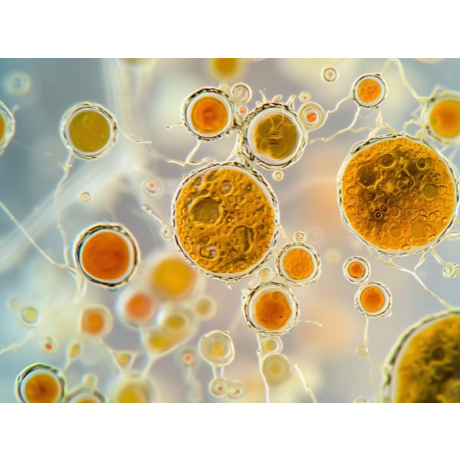
This session will provide an accessible overview of spore trapping, a growing technology in agriculture used to monitor airborne fungal spores before diseases appear in the field. By detecting spores early, this approach helps producers make timely and informed decisions to protect their crops. Our aim is to share insights and lessons learned from 10 years of sampling in the fields to make better use of this technology.
Participants will discover how spore sampling devices operate and how they contribute to early disease detection. The session will also introduce the two main analysis approaches used in spore detection: microscopy and DNA-based analysis.
We will explore different strategies and equipment configurations currently applied in agricultural settings and discuss how these tools can be integrated into disease forecasting and prevention programs.
The presentation will also highlight the main limitations of the technology — such as environmental variability, sampling precision, and interpretation challenges — and provide simple guidance on how to interpret results and apply them effectively in the field.
Aimed at a general agricultural audience, this session seeks to demystify spore trapping and make this innovative yet often abstract concept more concrete, showing its potential to support more sustainable and proactive crop management.
Wednesday, January 28
11:15am-12:00pm
Cheboygan Room
About The Speaker
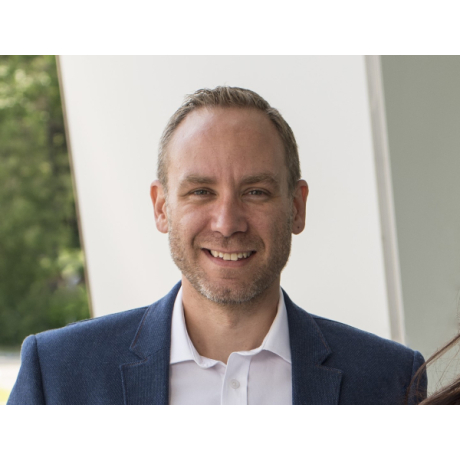
Christian Lebeau-Jacob
Christian Lebeau-Jacob is a microbiologist and trained chemist with extensive experience in both private and academic sectors. He currently serves as Laboratory Director of Lab’Eau-Air-Sol and Vice-President of the ExpertBatiment Group, a consortium of five companies specializing in energy efficiency, engineering expertise, environmental analysis, and agricultural testing services. Christian has also played an active role in professional organizations, having served as President of the Association des Microbiologistes du Québec, and has participated in numerous committees, associations, and external projects, collaborating with the Bureau de Normalisation du Québec and the Cégep régional de Lanaudière. His diverse career spans virology, bacteriology, and mycology, with experience in pharmaceutical research, clinical research, and private R&D.