Prepare to Share: Water User Committees, Todd Feenstra
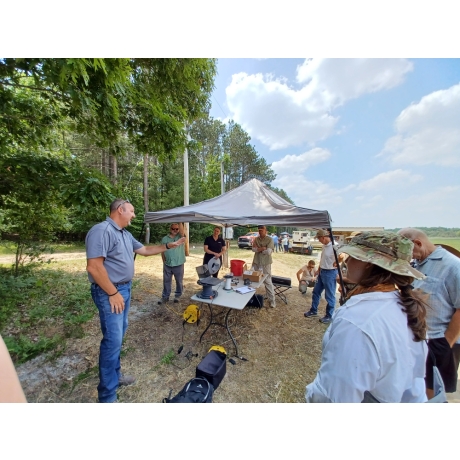
Water User Committees are here. Crop irrigation continues to expand across the State, but the Mi-WWAT system has changed very little over the last 17 years. We have reached a critical point where nearly half the watersheds in Michigan are one or two new wells away from being declared out of water and growers will have to make tough water use decisions. The state has been preparing for these committees and farmers are at real risk if they do not prepare as well. We will be examining a real-world case study that highlights the process, lines of argument, a new model, and discussions in a protracted Site-Specific Review. Combining that case study with the lessons learned from participating in the first Water User Committees presents a unique opportunity to learn from the past and prepare for the future. We will begin to equip growers with the tools, knowledge, strategy, and a plan to be an active and knowledgeable participant in the upcoming Water User Committees as they defend their water use and their water rights.
Thursday, January 29
12:00pm-12:45pm
Saugatuck + Harbor Springs + Traverse City
About the Speaker
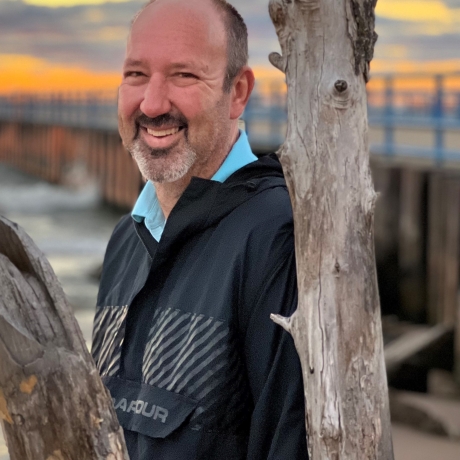
Todd Feenstra
President and Owner of Tritium, Incorporated (hydrogeologic consulting) Director of Midwest Water Stewards LPG, Licensed Professional Geologist (Indiana) CPG, Certified Professional Geologist (Michigan/Indiana) Mr. Feenstra has nearly 25 years of experience in developing, managing, and protecting high-capacity groundwater supplies in Michigan, Indiana, and Ohio. He has worked with groups of growers across all of Michigan and Northern Indiana since 2009 to monitor and model groundwater-surface interactions and the environmental impact of irrigation wells. He has testified to both the Indiana and Michigan Congress and helped craft groundwater legislation. He serves a board member of the Michiana Irrigation Association and as a technical advisor to the Michigan Water Use Advisory Council. He oversees the monitoring well and stream monitoring network of Midwest Water Stewards which currently operates over 225 active monitoring wells and monitors nearly 350 stream sites across Michigan and Indiana.