Potato Univeristy
Join Michigan State University potato experts as they help guide you through an interactive cutting-edge program covering a number of topics.
Thursday, February 2
2:30 - 4:15pm
Potato University Programs
Diploid Potato Breeding
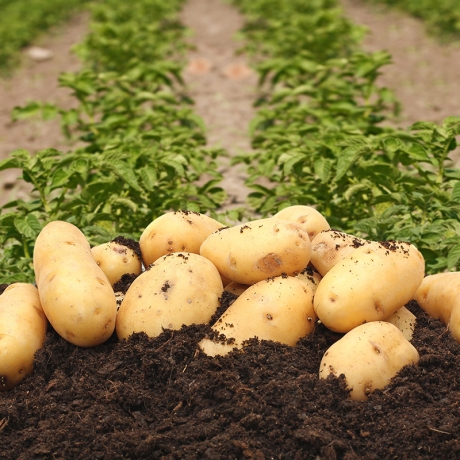
Dave Douches has led the Michigan State potato breeding program for 34 years. The program works toward improving potatoes for scab, virus, late blight, Colorado potato beetle and storage for the chip, as well as table markets. Douches, assistant breeder Joe Coombs, research technician Kate Shaw and grad student Will Behling will have samples of diploid potatoes from the breeding program trials and discuss the breeding progress to create future varieties.
Compaction, Early Die & Water Management: Are Cover Crops Right for My Farm?
A look at cover crop development in tubes and chat about how different covers provide unique benefits to soil health and potato production. Monica Jean (top) is a field crop educator for Michigan State University Extension. She covers the Saginaw Bay region. Christina Curell (bottom left) is the statewide cover crop and soil health educator. Christine Charles (bottom right) is the cover crop and soil health program coordinator.

Status of Potato Virus Y (PVY) in Michigan
Presenters Mio Cruz and Jaime Willbur will show potato virus Y (PVY)-infected plant and tuber samples to demonstrate the variety of symptoms caused by current strains impacting seed potato production. They also will discuss the impacts of PVY on yield and quality and ongoing research efforts.
Cruz is the laboratory coordinator for the Potato and Sugar Beets Pathology (PSBP) program and has worked with Willbur since 2020. Cruz's background in molecular biology techniques has equipped her well for current research efforts to monitor PVY strain prevalence in Michigan and characterize responses of Michigan-specific variety responses to multiple PVY strains. The PSBP program continues to study integrated management strategies for current and emerging diseases of potato and sugar beet.
Nematode Management in Potatoes
Dr. Marisol Quintanilla is an Applied Nematologist at Michigan State University. The MSU Applied Nematology team's objective is to assist Michigan’s agriculture and related industries on managing critical nematode issues through innovative research and extension and maintain/increase profitability and environmental quality and soil health in a multidisciplinary and cooperative approach.
Luisa Parrado is an entomology Ph.D. student in Quintanilla’s lab. During her studies, she has studied compost, manures and biocontrol agents as an alternative strategy for potato early die (PED) management. Her research will work to fill the knowledge gap in customizing composts for pest management while also establishing these products as a reliable method to enhance soil health and sustainability.
Weed Control Considerations for Potatoes
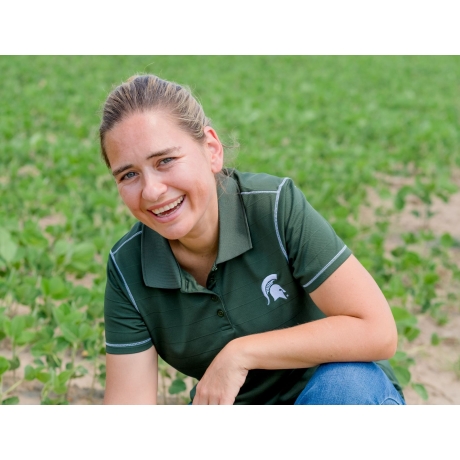
Erin Burns is a Weed Science Extension specialist and assistant professor in the Department of plant, soil and microbial Sciences at Michigan State University. Her research and Extension program focuses on current and emerging problematic weeds in Michigan cropping systems, specifically forages, potatoes, corn and, most recently, industrial hemp. She will take a look at weed identification and both soil and foliar application of herbicides labeled for potatoes.

Looking Back at Four Years of Potato Soil Health
The Soil Health Project, funded by USDA's Specialty Crop Research Initiative (SCRI) grant is a national study investigating how management practices including rotation length, fumigation, manure application, and cover crops affect soil health, yield, and soil pathogen levels in potato cropping systems. This presentation will cover four years of results including considerations for soil physical and chemical analyses and soil health metrics.
Madelyn Celovsky is a crop and soil science master's student working with Dr. Kurt Steinke and Dr. Lisa Tiemann in soil fertility and soil biology.
Using a Database to Make Variety Decisions
Michigan State's Potato Outreach Program maintains over 20 years of variety evaluation data in an online database. You will learn how to lookup varieties, create custom comparisons, view images and more. This information can help you to select potatoes best suited to your production environment. Bring a laptop or tablet if you'd like to follow along on a bigger screen than your cell phone.
Trina VanAtta has been a research assistant at the Potato Outreach Program for five years. She assists Chris Long, the Potato Specialist, with trial organization, data management, and report writing. Prior to coming to Michigan State, she worked at the Colorado State University Potato Breeding and Selection program.